ISO 9001-certified carriers
If you’re a trucking company owner scrolling through freight boards in 2026, you’ve probably noticed something: the best-paying, most stable dedicated lanes are going to ISO 9001-certified carriers.
No certificate? You’re often automatically screened out — before anyone even looks at your rates or safety scores.
Major shippers aren’t being picky for fun. They want proven quality systems to protect their supply chains, reduce risks, and hit their own performance targets. In a tightening market with rising costs and capacity shifts, ISO 9001 has become the fast-track ticket to premium freight.
Here’s the straight talk on who requires it in 2026, why it’s happening now, and what it means for your fleet.
ISO 9001 certification – Mandatory for Most Dedicated & Private Fleet Business.
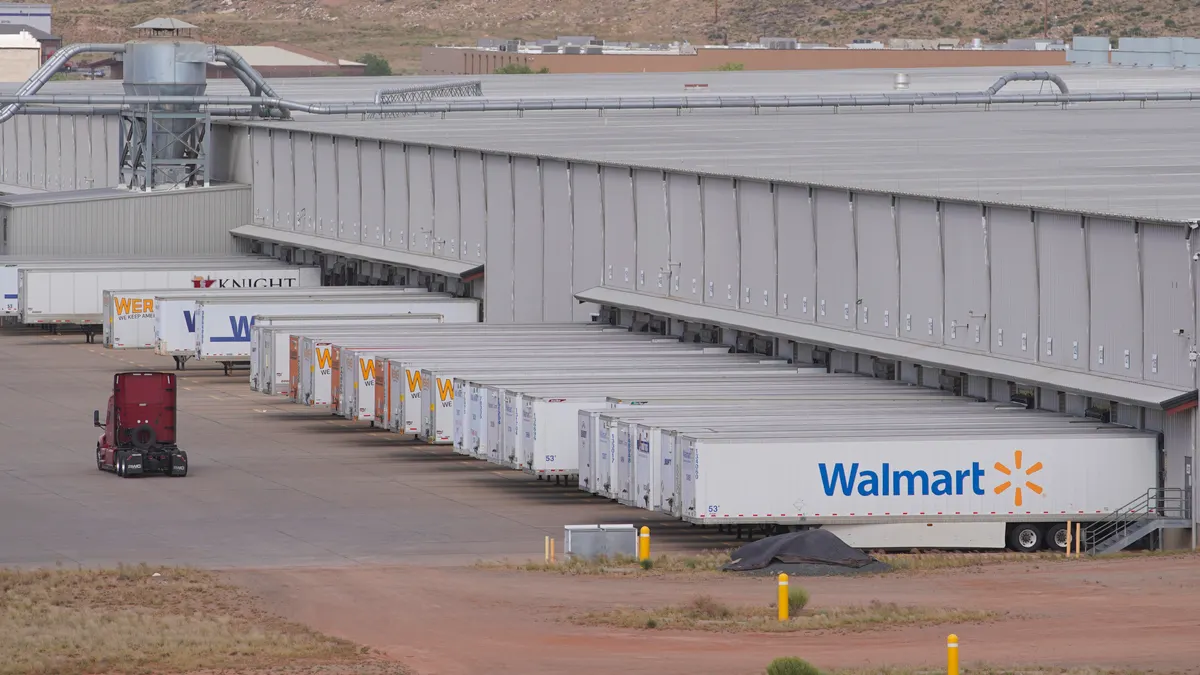
Wallmart
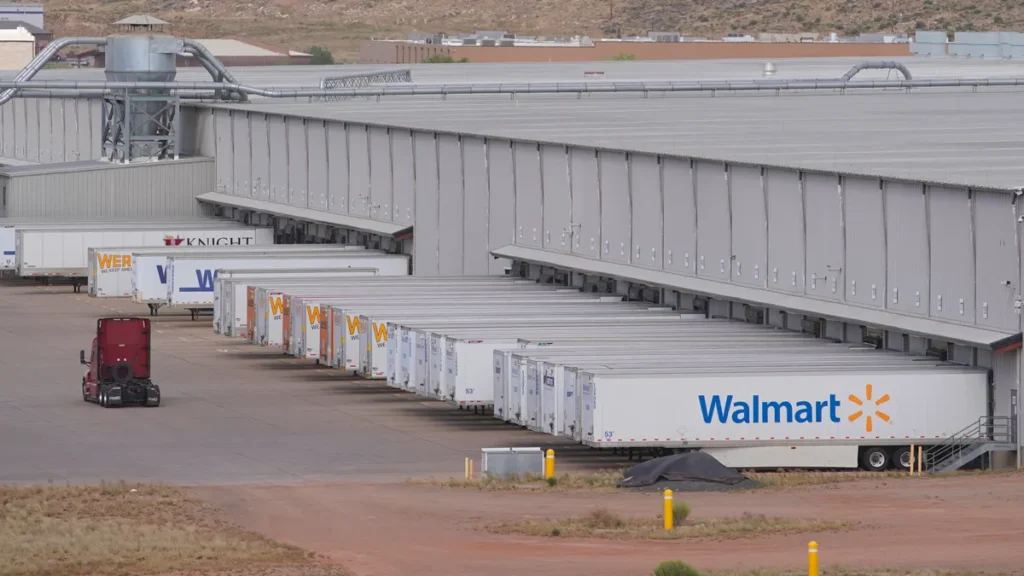
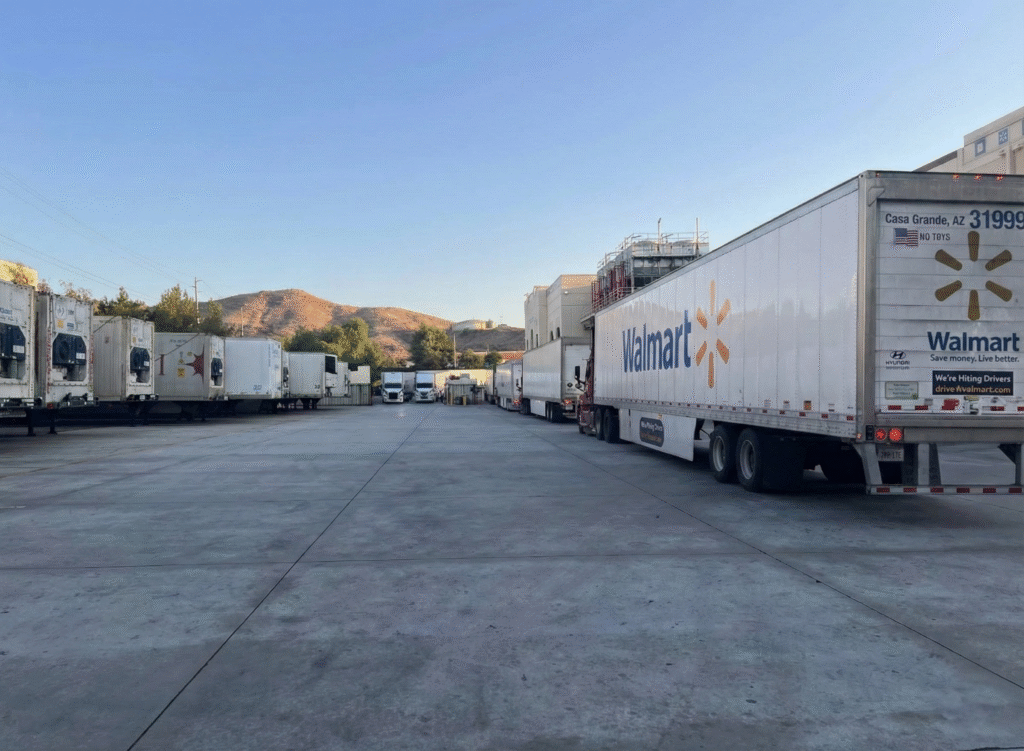
Walmart has required ISO 9001 certification for dedicated carriers handling significant volumes since the early 2020s — and it’s only gotten stricter.
Result for carriers: Certified fleets report landing year-round contracts worth millions in stable revenue.
Dedicated reefer, dry van, and private-fleet-replacement lanes: ISO 9001 is non-negotiable.
Why? Walmart’s own suppliers and internal standards demand verified quality systems throughout the chain.
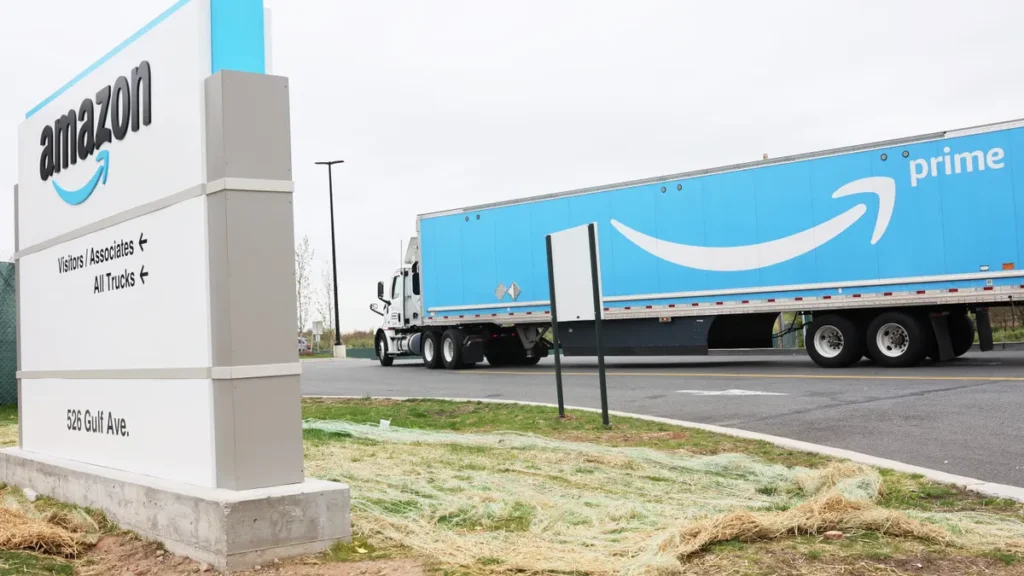
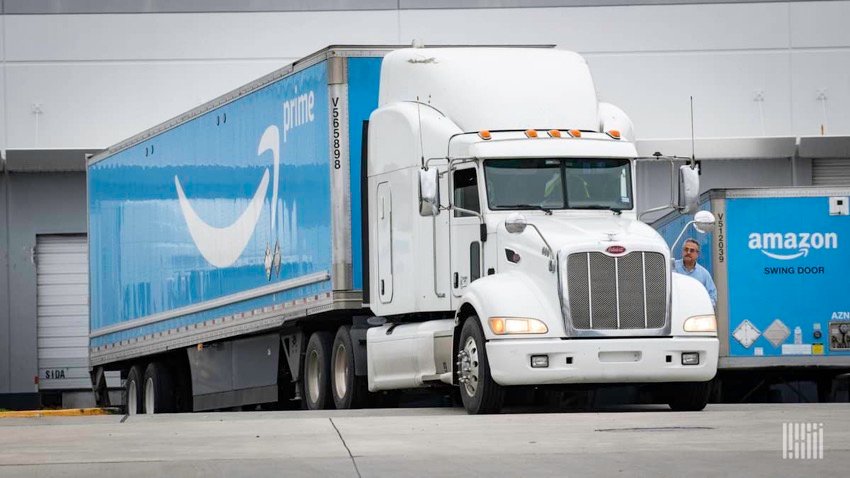
2. Amazon (Relay & Supply Chain Partners) – Strongly Preferred, Rapidly Becoming Required
Amazon’s Supply Chain Standards explicitly push for quality management systems — and ISO 9001 is the gold standard they recognize.
2026 trend: As Amazon expands its private fleet alternatives, expect full mandates for key lanes.
For dedicated and high-volume Relay partners: Certification gives you priority access and better rates.
Distribution center suppliers and hardware partners: Many must adopt ISO 9001-aligned systems.
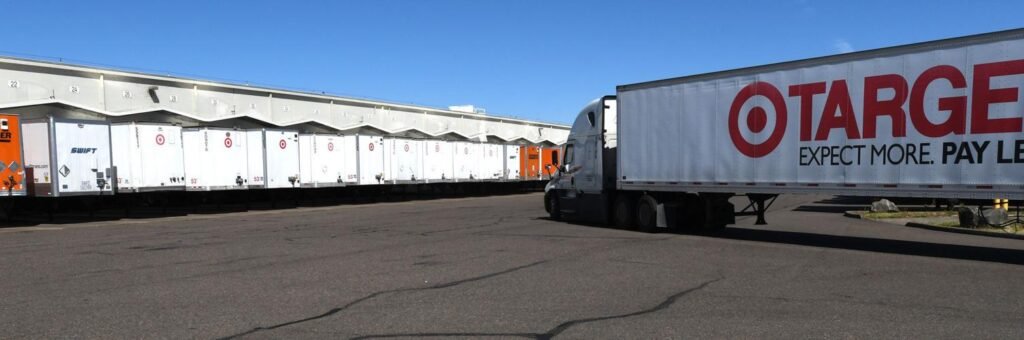
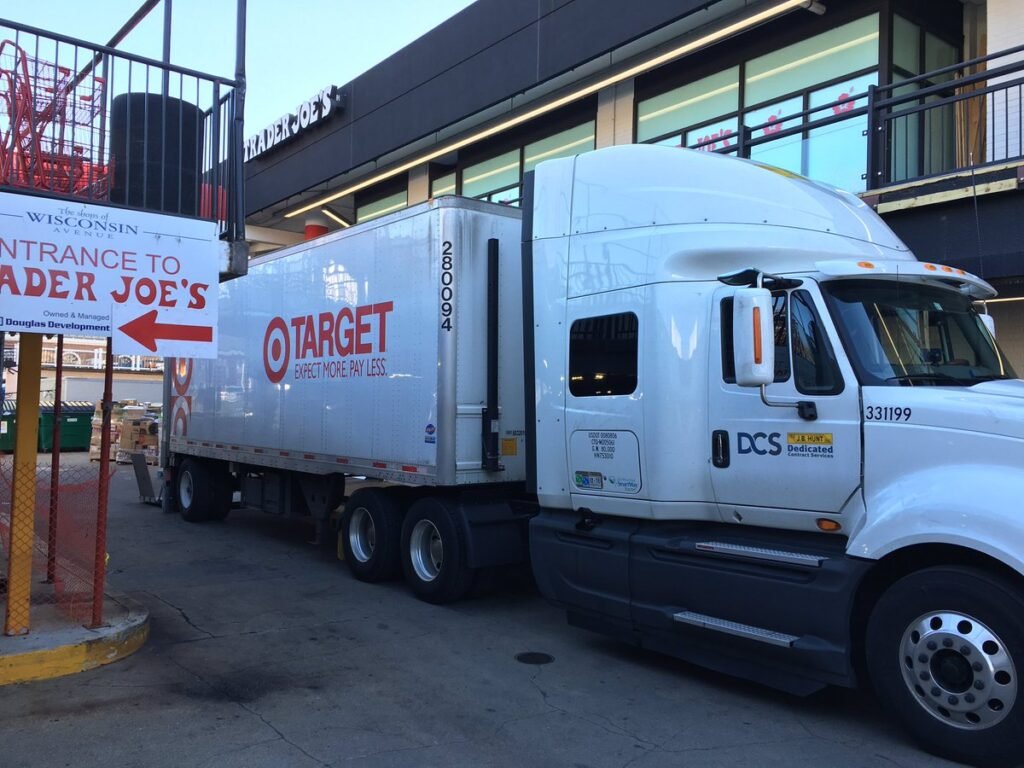
Target follows Walmart’s lead closely.
- All dedicated carriers and private-fleet-replacement partners: ISO 9001 certification mandatory.
- Why? Consistent on-time delivery and damage-free performance are critical for their retail model.
PepsiCo requires ISO 9001 for carriers handling high-volume food-grade and snack distribution lanes.
- Focus on quality, temperature control, and traceability makes certification essential.
- Certified carriers dominate their dedicated reefer and dry van networks.
Other Big Names Watching Closely in 2026
- Home Depot → Required for final-mile and dedicated building materials.
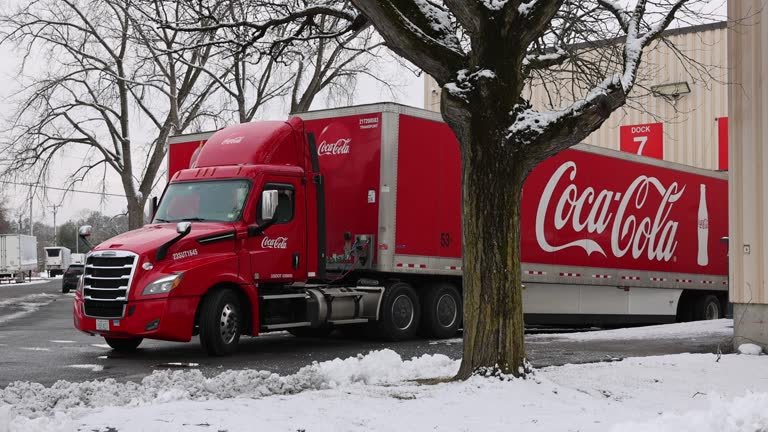
- Coca-Cola → Mandatory for beverage distribution partners.
- Johnson & Johnson → Healthcare supply chain demands verified QMS.
- General Trend → Many Fortune 500 shippers (especially ISO-certified themselves) now include ISO 9001 in vendor scorecards and RFP requirements.
Why This Matters More in 2026
The trucking market is shifting: capacity tightening in key regions, rising operational costs, and shippers prioritizing reliability over rock-bottom rates.
- Spot market remains volatile.
- Dedicated lanes offer stability — but only to carriers who check the “quality certified” box.
Carriers we’ve worked with saw 30-50% revenue jumps after certification by swapping spot loads for dedicated contracts.
Don’t Get Left Behind
If your fleet isn’t ISO 9001 certified yet, 2026 is the year to act. The window for easy entry into these lanes is closing as more carriers catch on.
Quick Next Steps:
- Book a 15-minute call — we’ll review your current setup and tell you how close you are (no cost, no pressure).
Your next big dedicated contract might depend on it.
Posted January 3, 2026 | ISOTrucking.com Blog Categories: Shipper Requirements • Dedicated Lanes • Industry News